Smart Agricultural is improving efficiency, reducing waste, and promoting sustainability. As AI continues to advance, its role in agriculture will grow, paving the way for a more efficient and sustainable future.
Case Details
As the global population grows and arable land remains limited, agriculture faces unprecedented challenges in meeting food demands sustainably. Artificial intelligence (AI) is transforming the sector by enhancing efficiency, sustainability, and productivity. Below, we explore key applications of AI in agriculture, showcasing its potential to revolutionize farming practices.
Smart Agricultural Machinery
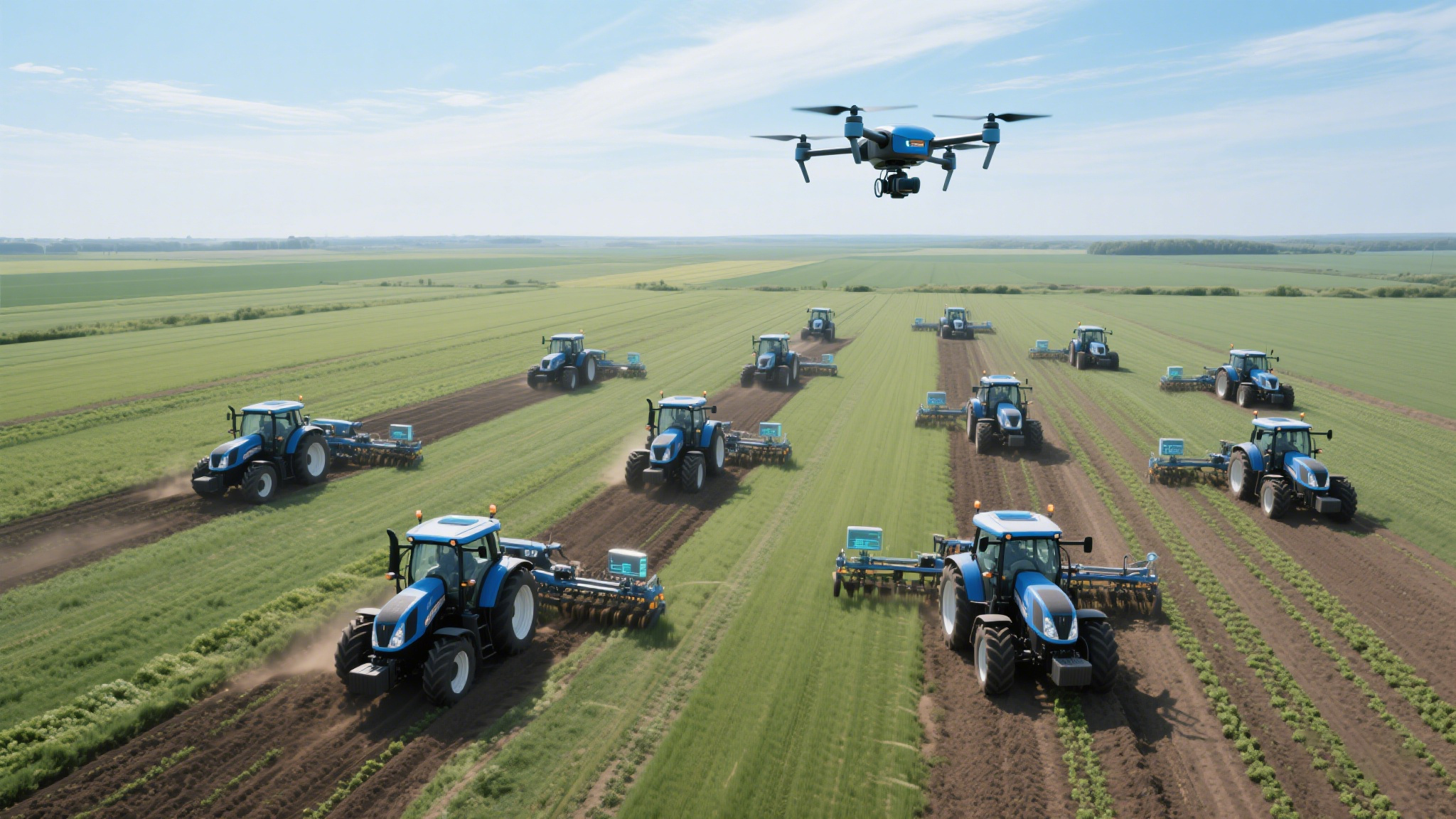
AI-powered farm equipment, such as tractors equipped with sensors and cameras, collects real-time data on soil moisture and crop health. By analyzing this data, AI optimizes operations like fertilization and crop protection.
For example, ARM industrial computers BL370 are combined with GPS and sensor technology. Smart tractors are integrating ARM industrial computers to completely change agricultural production methods, realize intelligent adjustment of planting depth and fertilizer application, thereby significantly reducing resource waste and greatly increasing crop yields.
Intelligent Irrigation Systems
The Irrigation systems analyze soil moisture and weather data to deliver precise watering schedules. This approach conserves water and ensures crops receive optimal moisture.
The smart irrigation system uses ARMxy Controllers BL340 to integrate soil sensors and weather station data to accurately customize irrigation plans. This not only minimizes water waste, but also improves yield and quality by maintaining the best growth environment for crops, while reducing operating costs and bringing significant environmental benefits.
Pest and Disease Monitoring
AI, combined with image recognition and deep learning, detects pests and diseases on crop leaves, enabling early warnings. This allows farmers to act before infestations spread.
Through the deep integration of ARM industrial computers BL410, artificial intelligence, image recognition and deep learning, the intelligence level of agricultural pest and disease monitoring will be greatly improved, realizing the transformation from "passive prevention and control" to "active early warning", thereby reducing the use of pesticides, increasing the output and quality of agricultural products, and promoting the sustainable development of agriculture.
Precision Agriculture
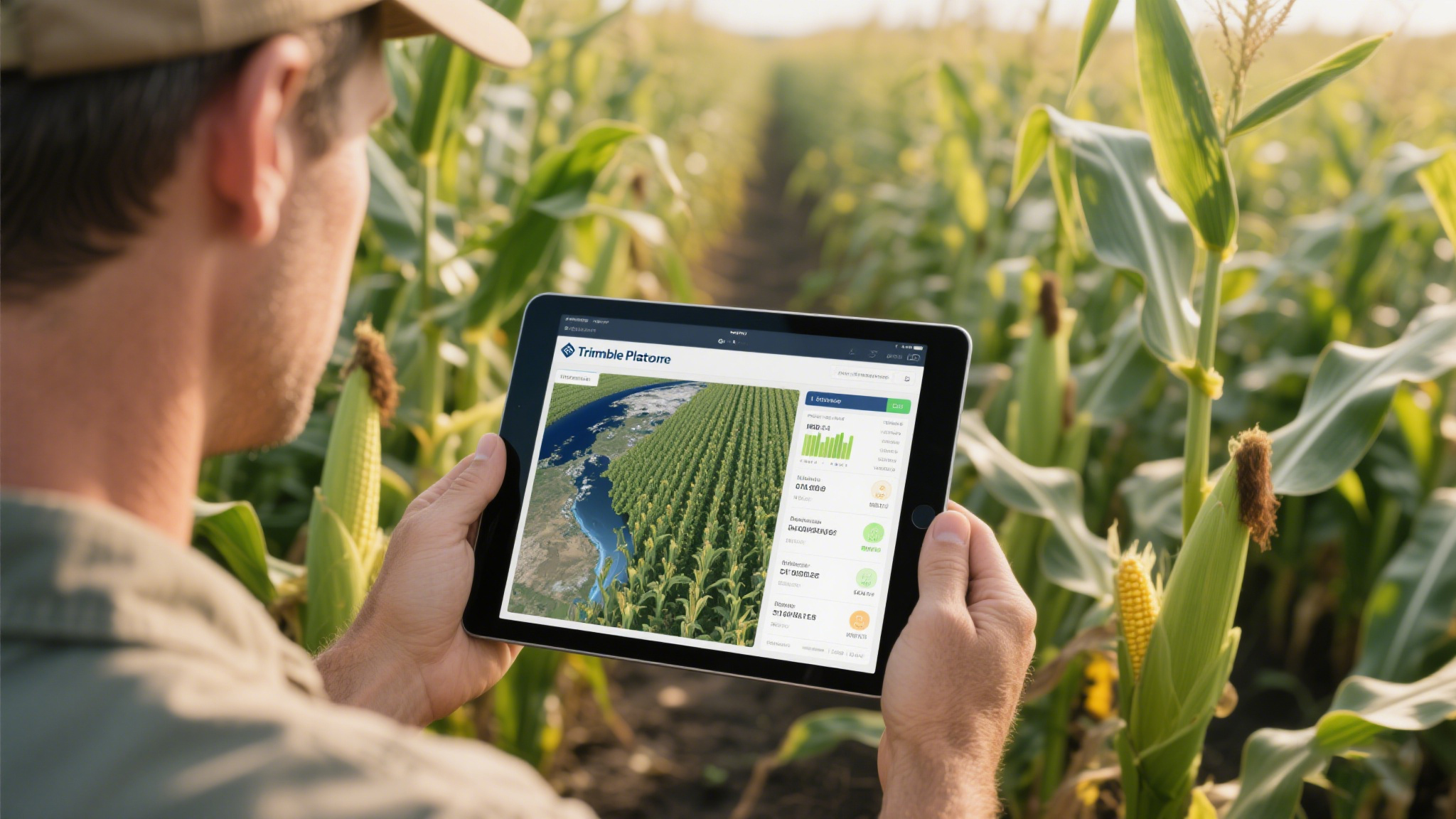
Precision agriculture leverages AI to analyze soil, climate, and crop data, enabling optimized planting strategies.
The combination of ARM embedded computers BL440 and artificial intelligence is completely changing the traditional agricultural model, driving it to a "perceivable, controllable, and predictable" intelligent production model. By performing real-time data processing and intelligent decision-making at the edge of farmland, ARM embedded systems can significantly improve agricultural production efficiency, optimize resource utilization, reduce environmental impact, and ultimately help farmers achieve the goals of increasing production, quality, and income.
Agricultural Robots
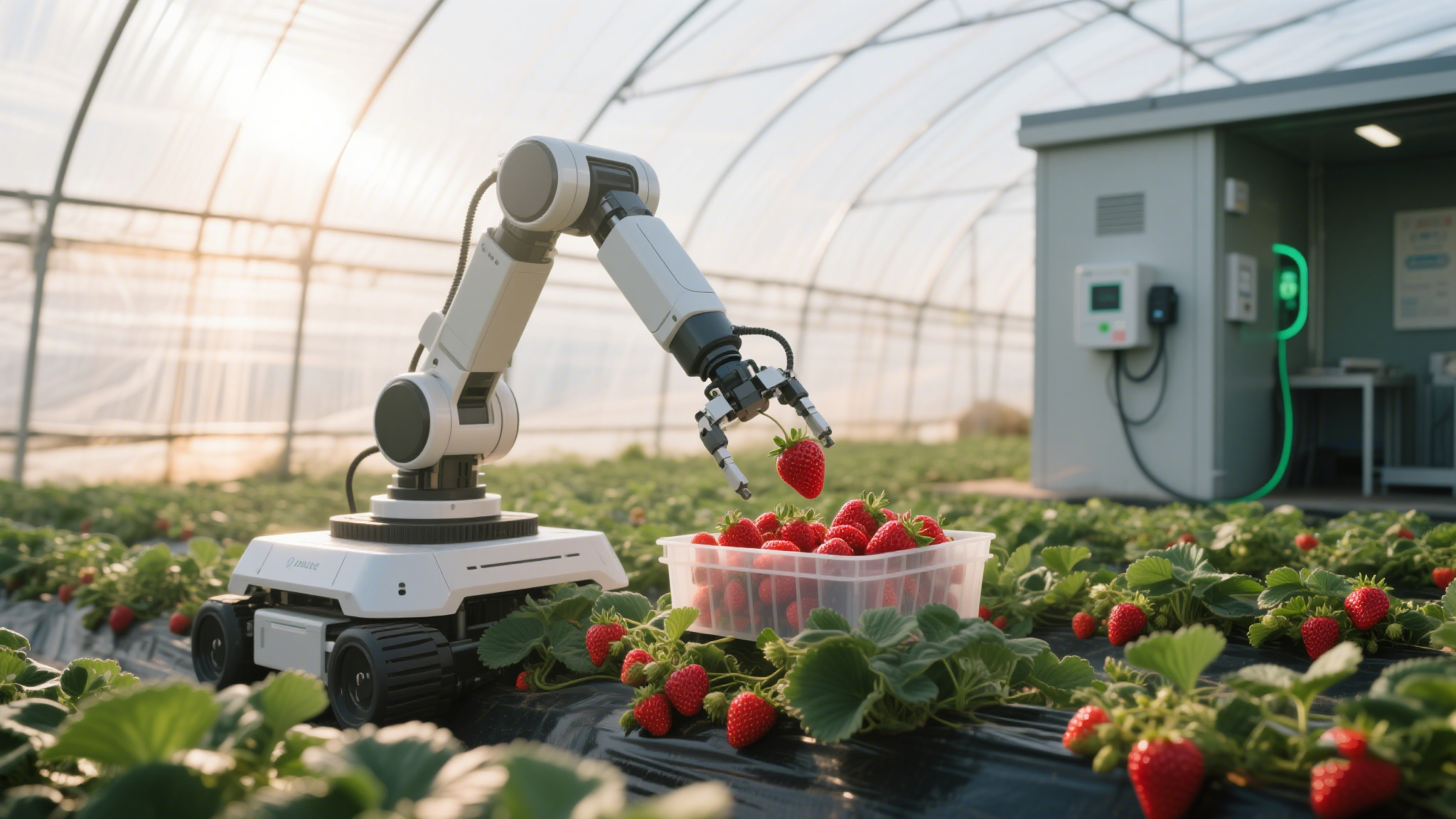
AI-powered robots automate tasks like planting, weeding, harvesting, and packaging, reducing labor demands.
ARM embedded SBCs (single board computers) are ideal control cores for agricultural robots due to their low power consumption, high performance and compact size. They are able to run complex artificial intelligence algorithms, process data from sensors, and control the robot's actuators to achieve all the automation tasks mentioned above.
Intelligent Spraying
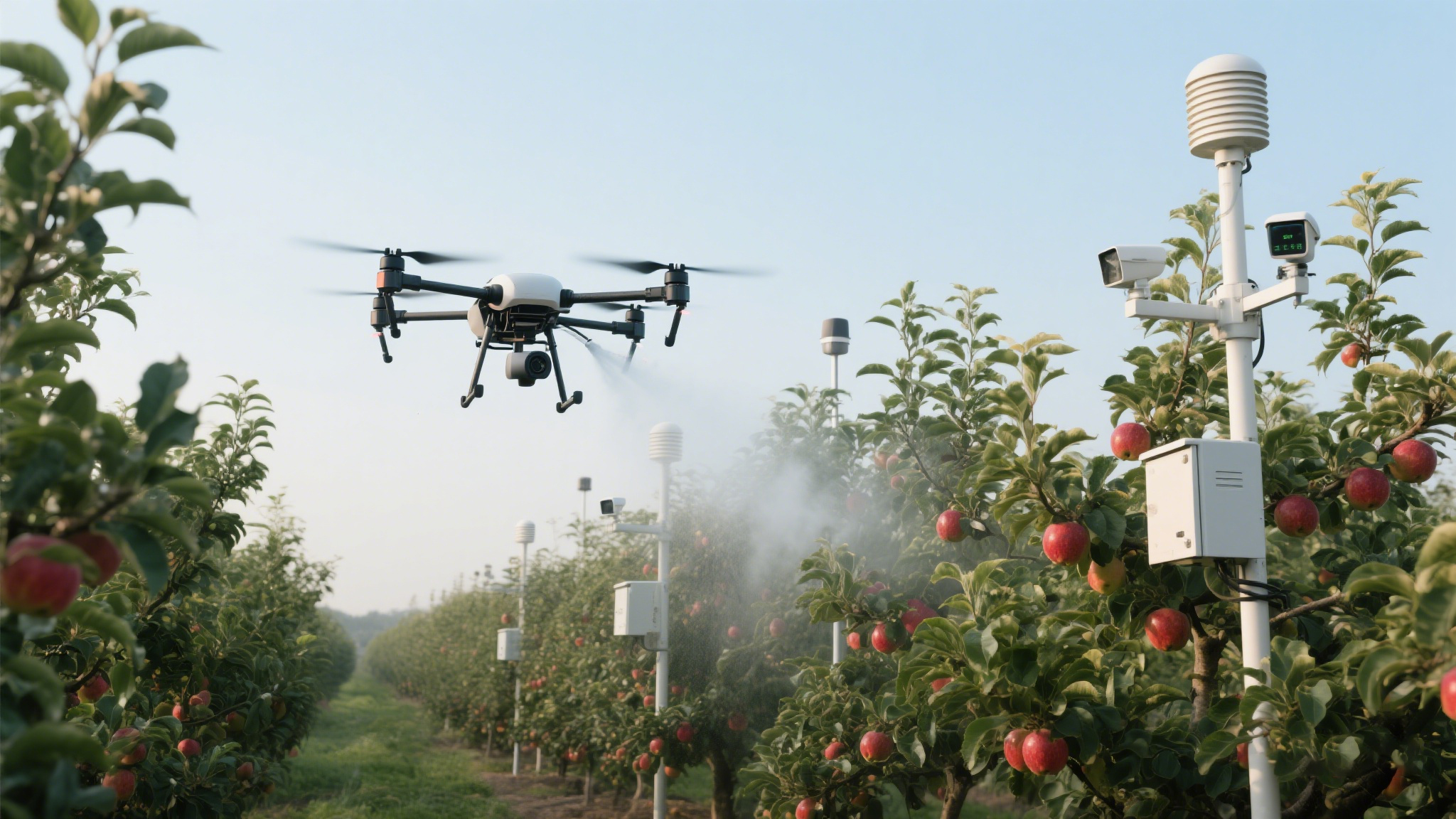
Drones and autonomous tractors equipped with AI enable precise pesticide and fertilizer application, minimizing environmental impact. DJI’s agricultural drones adjust spraying based on field conditions, enhancing efficiency and reducing pollution.
Predictive Analytics
AI predicts crop yields, price fluctuations, and weather changes, aiding farmers in planning and risk management.
ARM industrial computers provide efficient and low-cost solutions for agricultural predictive analysis through edge AI and IoT technologies. They support accurate prediction of crop yields, price fluctuations and weather changes, helping farmers optimize resource allocation, reduce risks and increase profits.
Farm Management Optimization
AI optimizes resource use by analyzing crop data to provide recommendations on planting, fertilization, and irrigation. Farmers Edge’s tools use satellite imagery and AI to deliver management insights, improving resource efficiency and yields.
Agricultural Knowledge Systems
AI-driven knowledge platforms provide farmers with access to planting techniques, pest control methods, and market data. Agworld’s platform, for instance, offers tailored advice, weather forecasts, and market insights, enhancing decision-making.
Automated Agricultural Equipment
AI controls automated systems like irrigation and greenhouse climate management, optimizing growth conditions. Priva’s greenhouse systems adjust temperature, humidity, and lighting based on crop needs, improving quality and yield.
ARM gateways provide intelligent solutions for greenhouse systems through sensor data collection, edge computing and automated control. They can accurately adjust temperature, humidity and light according to crop needs, thereby significantly improving crop quality and yield. Its low power consumption, high cost performance and flexibility make it particularly suitable for modern facility agriculture.
Supply Chain Management
AI enhances the agricultural supply chain by monitoring temperature and humidity during transportation to ensure product quality. It can track the status of agricultural products in real time and reduce losses during transportation.
Crop Breeding Optimization
AI accelerates crop breeding by analyzing genomic data to identify valuable traits. Bayer’s breeding platform uses AI to develop superior crop varieties faster, improving breeding efficiency.
Smart Livestock Farming
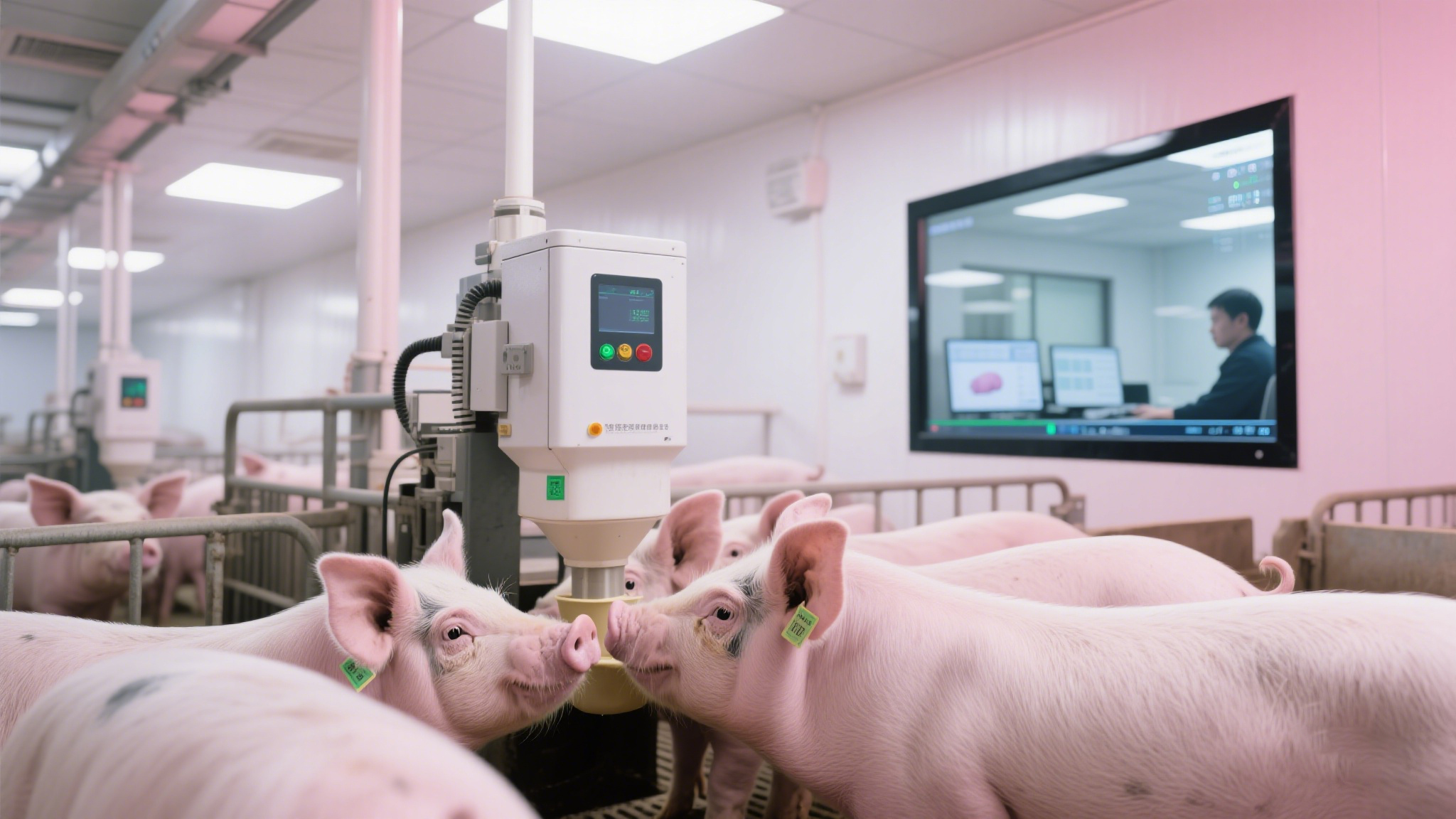
AI platforms like “PigNet” use IoT and AI to enable precise feeding, health monitoring, and product traceability in livestock farming. De Heus’s system, for example, monitors pig health and optimizes feeding, reducing costs and disease rates.
ARM industrial controllers BL450, as the core of IoT devices, artificial intelligence platforms, promote the development of smart animal husbandry through precision feeding, health monitoring and product traceability. These technologies not only improve production efficiency and animal welfare, but also support sustainable agricultural goals through data-driven decision-making.
Smart Farms
Smart farms integrate multiple AI technologies for automated and intelligent management, from planting to processing. Microsoft’s AI for Earth initiative supports smart farms that use AI to monitor crops and optimize resources, demonstrating significant potential.
Drone Technology
Drones equipped with AI perform crop monitoring, spraying, and data collection. PrecisionHawk’s drone platform offers tools for crop health assessment and disaster monitoring, improving farm management precision.
Policy Support
Governments, such as China’s, promote AI in agriculture through policies like the Next Generation AI Development Plan, fostering innovation to enhance productivity and food security.
Market Growth
The global AI agriculture market is projected to reach $4.65 billion by 2030, driven by demand for high-quality produce, supportive policies, and advanced tools, according to Data Bridge Market Research.
Conclusion
AI is revolutionizing agriculture by improving efficiency, reducing waste, and promoting sustainability. From smart machinery to predictive analytics, these technologies empower farmers to meet global food demands while minimizing environmental impact. As AI continues to advance, its role in agriculture will only grow, paving the way for a more productive and sustainable future.


